

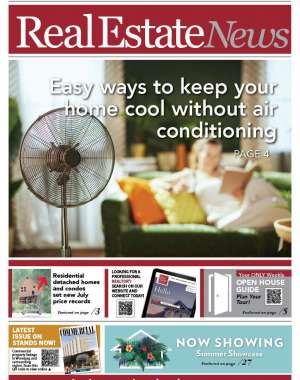

It’s the dog days of summer and we certainly have experienced some extremely sizzling weather so far. Hotter than normal, it seems. While it’s a cliche to say that it’s not the heat but the humidity that makes it so much worse, it’s a fact.
A typical Manitoba summer at 34°C is hot, but perfect beach weather. However, throw in a dose of humid air, bumping the humidex to 42°C or more, and you have conditions that make being outdoors for sustained periods uncomfortable if not outright dangerous if you aren’t cautious.
No worries, though, you can just retreat to your air conditioned home to cool off. If you have air conditioning, that is.
If you don’t have air conditioning in your house, condo or apartment, there are plenty of options to help cool you off. On top of adequate hydration, homeowners across Canada are finding ways to cool their living spaces without A/C using guidance from heating, ventilation, and air conditioning (HVAC) experts.
When you can’t control the temperature inside your home, there are certain tactics to help you stay cool. This includes creating a cross-breeze with strategically placed floor fans, exhausting hot air from your home using bathroom fans, and pushing cool air down by adjusting your ceiling fan to operate counterclockwise. And if you have a small budget for some minor renovations, or you can justify buying a few useful products, you’ll keep comfortable despite the rising mercury.
Don’t let the summer sun melt the days away, be prepared for the next heatwave. Learn how to keep your house cool without air conditioning by employing the following tips, tricks and cooling techniques recommended by the pros.
Keeping cool during the day
During the day, the goal is to stop the heat from climbing while maintaining a cooler room temperature. This means finding ways to allow hot air to escape, while filtering out heat sources in your home. For example, closing all blinds, hanging blackout curtains in front of windows, and applying a heat-
reflecting film to your windows, all of which keep you cooler by blocking out the sun’s heat. Turning on the vent fan above your oven (if it’s vented to the outdoors) or in your bathrooms can also help draw some of the warm air out of your home.
The key to staying cool without air conditioning is to keep the air moving. Moving air is drier (less humid), so it feels cooler even though you haven’t changed the temperature. That’s why you feel so much cooler outdoors if there’s a breeze on a hot day.
The best way to keep air moving indoors is by using strategically placed fans.
• Place floor fans on the opposite ends of a room — one blowing in and the other blowing out — to create a cross-breeze and a constant flow of air that’s entering and exiting the space.
• Turn your ceiling fan counterclockwise to offset hot air as it rises — rather than sucking up and circulating the heat, the fan pushes the air back down, removing the humidity and making it feel cooler in the process.
• Blow the air from your basement — which is cooler — into the main living space by using floor fans to move the air up to the next level.
Of course, fans aren’t your only option to regulate the temperature of your home. Try closing bedroom doors to minimize the amount of space you need to cool, and don’t feel guilty about putting off activities on the to-do list that generate heat — for example, doing laundry, vacuuming the floor, and cleaning dishes. If at all possible, minimize the amount of work you do outdoors on a hot day so you don’t overheat, since your options to cool off are more limited.
An often overlooked option is trees. By planting trees in strategic locations on your property, they’ll help to block the sun’s rays from streaming into your home. If you have a big picture window in your living room, for example, consider planting a tree in a spot that will cast shade over it during the hottest part of the day. If possible, look for a condo or apartment that has a tree in front of your patio or balcony. The air is significantly cooler in the shade, and this helps cool off your home, too. Trees also block some of the coldest winds in winter which helps to keep your home warmer.
Keeping cool at night
As the sun goes down and the balmy summer night sets in, the outside temperature will eventually dip below the inside temperature of your home. This is your opportunity to take advantage of what’s considered “free cooling.” Let the fresh air in by opening windows, spreading curtains, and widening blinds — position floor fans to draw the outside air in and help circulate it through your home.
Open bedroom doors and maximize the air flow down hallways and throughout each room — once again, create cross-breezes wherever possible to keep the cool air moving. And if that doesn’t do the trick, why not make your own air conditioner? Fill a large bowl with ice cubes and place it behind a table fan;set the fan to static and drape a towel over the back covering the bowl. Admittedly, the ice melts quickly, but before it does, you’re graced with a delightfully cold breeze that should help you fall asleep faster.
When it comes to cooking dinner, a barbeque is your best friend — nothing cranks up the heat in your home like using the oven or turning on the burners. Plus, everything tastes better off the BBQ, right? If you don’t own a barbeque, consider meals with little prep work and short cooking times, or treat yourself and order takeout from your favourite restaurant occasionally. Better yet, go out to eat because very likely your favourite restaurant will be air conditioned.
Surprisingly, your television, computer, laptop, and other electronic devices generate a significant amount of heat, which is only compounded by the sweltering sun. As for the fridge, the longer you keep the door open, the harder the compressor works to maintain the cool temperature — the harder the compressor works, the hotter it gets inside your home.
5 cooling investments
Despite keeping your home cool, air conditioners heat up your utilities bill, and the warmer it gets outside, the more expensive it is to stay comfortable. Whereas, a few key renovations end up cheaper in the long run. If you can justify the upfront expenditure, consider the following five investments to keep your house cool without A/C:
1. Install a ridge vent on your roof to allow hot air to escape from your attic. However, for installation, it’s best to hire a professional to prevent moisture damage to your roof and insulation.
2. Purchase a dehumidifier to suck the humidity out of the air. There are many models available in different sizes, so do your research to find what’s best.
3. Replace all incandescent light bulbs with LED alternatives. Incandescent bulbs use more electricity (generate more heat), while LED lights are more than 75% energy efficient.
4. Buy a digital indoor/outdoor weather station to track the weather and monitor the temperature to pinpoint the ideal times to exploit free cooling.
5. Employ passive cooling techniques outside of your home by strategically planting bushes, gardens and trees to help prevent the sun from heating the walls and foundation of your home.
By employing just a few of these easy strategies, getting through the next heat wave will be a breeze!
— Realtor.ca