


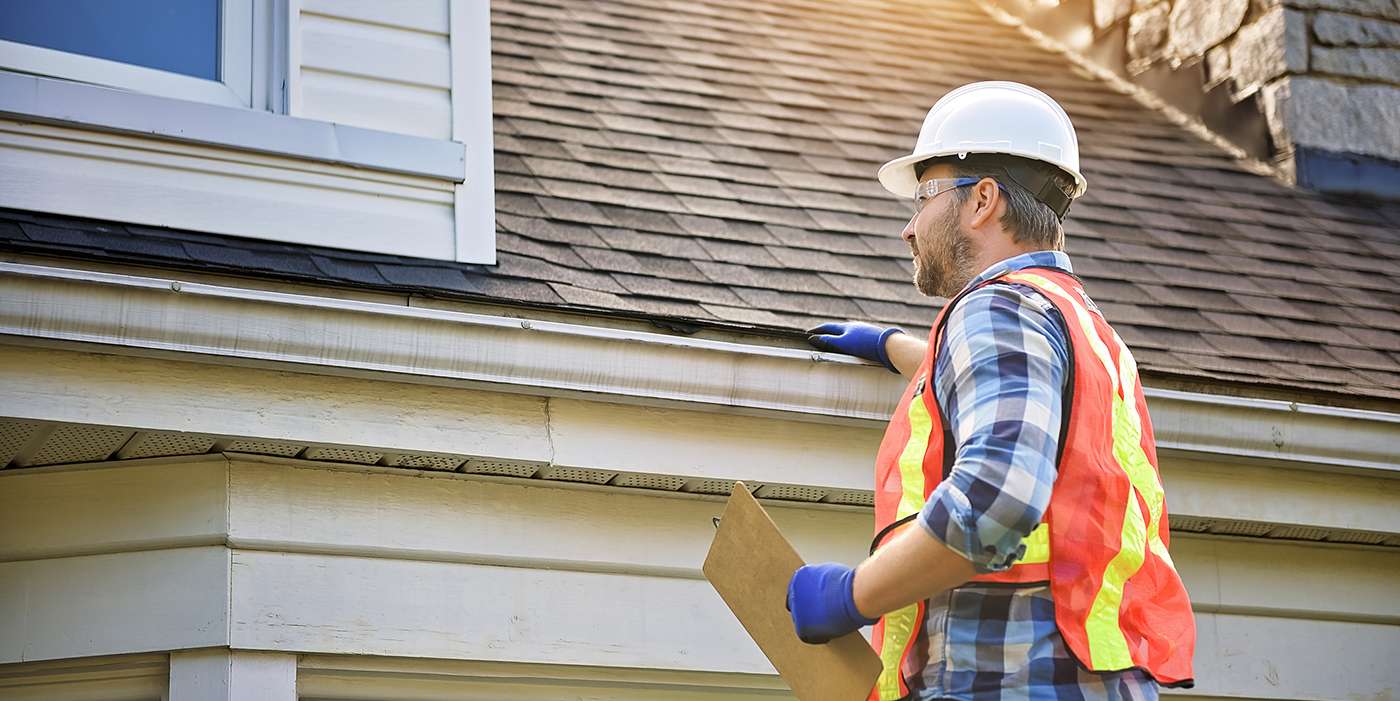
Is the roof of your home in good condition? Don’t feel bad if you don’t know the answer — many homeowners are often unaware of the state of their roof over their heads. Out of sight, out of mind, right? Unless there are obvious damages, such as cracks or leaks, it’s easy to forget about this essential exterior part of your home.
While spring and summer are the optimal time to get any roof-work done, now might be a good time to check out what’s going on up there before the roofing season ends. At the very least, you can get your name at the top of the list for next spring. Unsure what to look for? Whether you’re buying, selling, or you’re a homeowner who simply wants to know how to keep your roof in good shape, you’ve come to the right place. Here are three of the most asked questions about roofs.
What are the different types of roofs?
Roof materials come in different forms: metal/tin, asphalt, wood, cedar, slate and clay are the most common types. With a plethora of options, it gets tricky when trying to choose the best option for your home and wallet. The type of roof installed on your home depends on a variety of factors such as location, environment, style, budget, building codes and maintenance requirements. In Canada, asphalt, wood/cedar, and metal roofs are among the most popular.
• Asphalt shingles
Life expectancy: 15 to 30 years (or more)
Pricing: $3 to $9 per square foot
Pros: There are a few types of asphalt shingles, but the two main varieties are basic or architectural, with architectural being the more durable of the two. Asphalt roofs are the most popular type of roof in Canada because of the material’s ability to withstand the damp and snowy weather. This type of roof is typically the most affordable of all the options. Additionally, asphalt shingles are relatively easy to install and repair, and they’re fire resistant. Asphalt shingles come in a variety of colours and styles (for example, fibreglass and organic asphalt), so it can be customized to fit any home’s exterior aesthetics.
Cons: Harsh Canadian winters can cause chips and cracks on the asphalt. The material is also prone to mildew in shady, damp conditions, and can incur granule loss if not properly maintained. Be prepared for repairs before the 15 years are up.
• Wood or cedar shakes
Life expectancy: 35 to 50 years
Pricing: $6 to $15 per square foot
Pros: Wood or cedar shakes are extremely durable, not to mention resistant to harsh weather and insects. For these benefits and more, this type of roof can include a warranty of up to 50 years — depending, of course, on who you buy from. For homes in colder climates and heavy rainfall areas, wood or cedar shakes are an excellent choice because they prevent moisture buildup and they’re naturally insulating.
Cons: In addition to high upfront costs, the material is not fire resistant (Class C rating), so you’ll need to apply additional treatment to get a Class A rating. Moss buildup can also occur on wood or cedar shakes if they’re not cleaned on schedule (usually every two to three years). Another con for wood or cedar shakes can be their appearance, as many people don’t find them as visually appealing as other materials.
• Metal
Life expectancy: 40 to 70 years
Pricing: $9 to $20 per square foot
Pros: Metal roofs, whether aluminum, tin, copper, zinc or steel, can offer unparalleled longevity. Unlike asphalt shingles or cedar shakes, metal roofs require little to no maintenance. You may never have to repair or replace this type of roof, providing it’s properly installed. Metal roofs are great in high snowfall areas because the ice can easily slide off, reducing risk of collapse.
Cons: Metal roofs, because of their premium quality, are expensive. They cost slightly more than wood or cedar, and can be 10 times the price of asphalt shingles. They’re also prone to being noisy during some extreme weather conditions, especially if the installation, or your attic insulation, isn’t top notch. On the curb appeal front, metal is not always favoured because it can be difficult to maintain colour consistency across the entire roof.
What upkeep is required to maximize a roof’s life expectancy?
Like all aspects of your home, regular maintenance and repair is essential to ensure your roof lasts a long time. Utilize the following tips to help you:
• Keep it clear — Make sure your roof is always free of debris, including leaves, sticks, branches and other naturally occurring particles that can, over time, contribute to the roof’s wear and tear. Make sure your roof is also mildew, mould and moss free.
• Don’t ignore the landscaping — If you have trees near your roof or shrubs close to your gutters, make sure to keep up with the landscaping. Falling branches and other parts can cause premature damage, while shrubs and bushes can block the gutters. Also, trees can make it easy for rodents to access the roof and make it their home, so it is important to keep branches trimmed.
• Clean the gutters — Keep your gutters and down-spouts clog-free by getting them cleaned at least once a year. This will prevent water (from rain and snow) from pooling on your roof and causing damage. As this involves climbing a ladder, consider hiring a professional, particularly for multi-storey homes.
• Inspect regularly — Depending on the type of roof and warranty it comes with, you may need to get your roof checked annually. If you know what to look for, you can do it yourself, but it’s always best to leave it to the professionals with trained eyes and special tools.
How can you tell if your roof needs repair or replacing?
There are a few indicators something is wrong with your roof. It’s time to call a professional if you see:
• water spots, streaks or discolouration on ceilings and walls;
• a sagging ceiling;
• cracked or curled shingles;
• decaying or paint peeling from eavestrough;
• missing asphalt granules;
• mould or moss growth;
• spots without snow, which could indicate a leak;
• light coming through from outside;
• damaged roof deck or flashing (the material that directs water away); or
• loose roof tiles.
In many cases, the above issues can be easily fixed. Problems like leaks can be repaired by sealing the crack or replacing some shingles. However, you may want to consider replacing the roof altogether if the damage is extensive, if it’s more than 20 years old (or depending on the life-expectancy of the particular shingle you had installed), or out of warranty.
A roof replacement may be costly (between $5,000 and $25,000, according to Alpine Credits), but it could save your home from further structural damage and even more expensive repairs in the future.
Roofs are a big ticket item, and significant repairs or replacement count as a major renovation that may help increase the value of your home, similar to upgrading the windows, furnace, doors, etc. Similary, if your roof is in disrepair and needs replacing, this will have a negative affect on the value of your home when it comes time to sell. That’s why keeping ahead of basic home repairs is always a good idea.
If you’re selling or buying a property, a REALTOR® can help you collect the information you need. A REALTOR® can also recommend professionals who can help with inspection, assessment, repairs or replacement.
— REALTOR.ca