


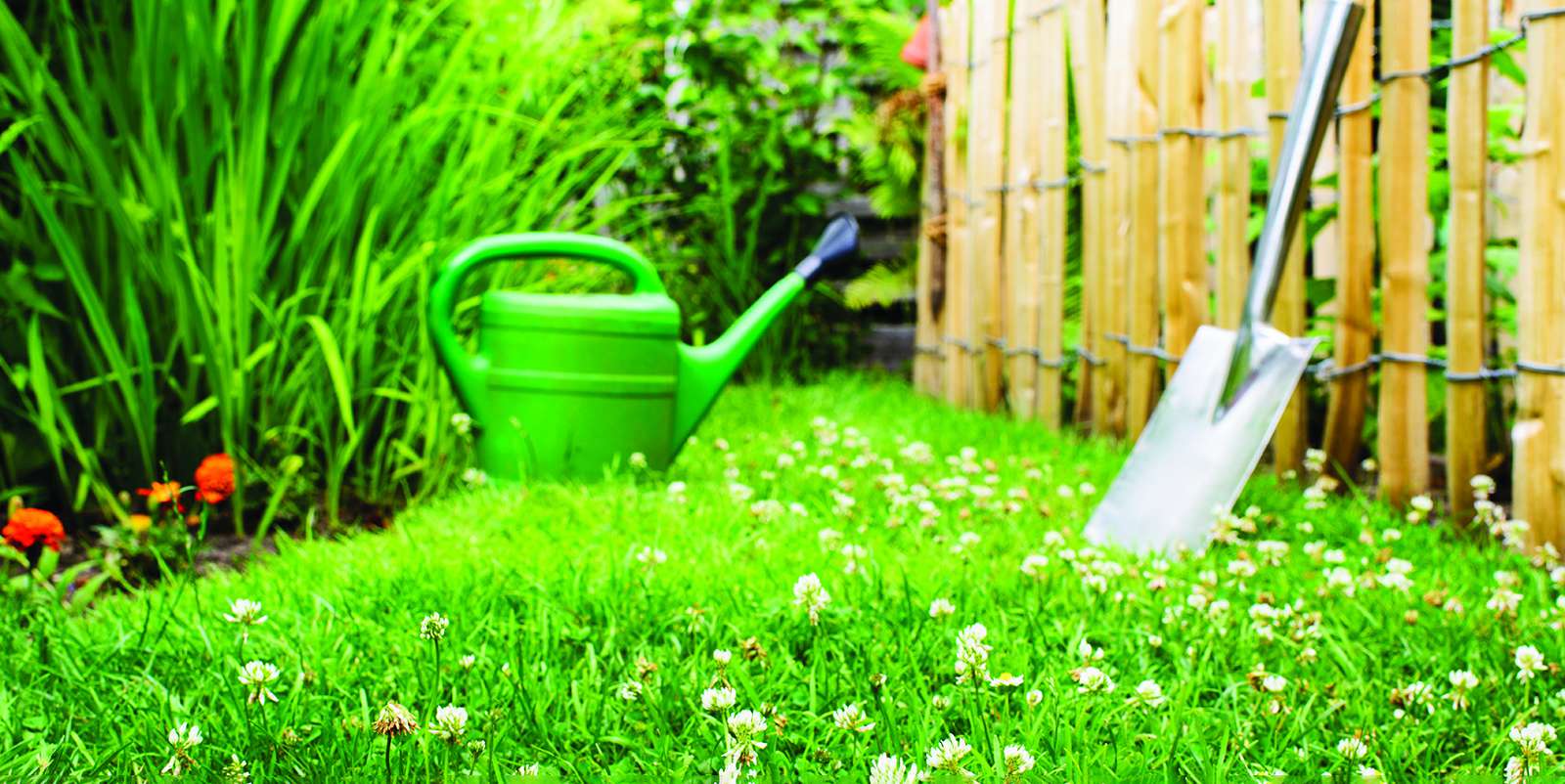
When you picture the perfect lawn, you probably see an unblemished swathe of green, weed-free grass stretching from your front step to the street.
If that’s your current yard, then you know just how much water, harsh chemicals and maintenance is involved in keeping it that way. But as we lean more toward environmentally sustainable options in everything from our housing to clothing to food, we’re also looking for more mindful options for our greenspaces as well.
If you’re tired of spending your summer mowing grass and pulling weeds, why not consider replacing it with something low maintenance like native plants?
Even those of you who enjoy a well-kept lawn may find that not every corner of your yard supports bluegrass or fescue. While it’s usually easy to find garden plants to fill virtually any condition, sometimes the desire is for healthy ground cover instead. Mixing ground cover with hearty native plants that come back year after year with minimal maintenance is the ideal choice.
Why grass fails
Nutrient-deficient, compacted and clay-based soil with poor drainage affects virtually any grass-based lawn without coordinated care. Shade is another enemy, unless you’ve selected a species that tolerates conditions with less sun. Over-mowing or cutting too short, especially during dry spells, may create a desirable manicured look for the short-term, but it invites disease, invading pests, weeds and burning.
Low-maintenance coverage
Canadian summers are short enough that you may want to reduce the time you spend caring for your lawn, preferring to put your effort into flower beds, vegetable gardens, or perhaps heading to the cottage.
You can keep up the idea of green ground cover that requires little water, maintains low height, and even self-fertilizes without needing to eliminate your existing lawn first. Offering drought tolerance is key to reducing the amount of water used on your lawn. Look for ground cover species like:
• Creeping red fescue
• White clover
• Microclover
• Ryegrass varieties
• Sedge varieties
There are so many microclimates in Canada that you’ll be able to find local options at any garden centre to suit your needs.
Rain gardens
Rain gardens are exactly what they sound like — gardens watered by rain — and they may be the answer if you have drainage challenges in your yard. The water from your eavestroughs, as well as melting snow, runs down to hydrate the garden while also preventing water build-up around your home. Building a multi-layer stone bed topped with river rock provides an attractive way to divert water away from your foundation while slowing the flow and providing a level of natural filtration that helps to avoid an overload to your municipality’s storm sewers.
A well-designed rain garden requires some excavation to make room for layers of gravel, arranged smallest to largest, as you fill the bed. Topped with the decorative river rock mix of your choice, a rain garden provides function in a low-maintenance alternative to grass.
Earthwatch Institute® at earthwatch.org has a full list of tips to build an effective rain garden, some of which include:
• Adding rocks to the entrance of the garden to prevent too much water from entering at once;
• Mapping out the layout of your garden; and,
• Finding the right soil and plants for your area — permeable soil, butterfly weed, bleeding heart, sedges, rushes and hostas are good places to start.
Don’t forget, before you do any excavating that’s deeper than 15 cm anywhere on your property, call before digging to get service lines marked. Contact clickbeforeyoudigmb.com or call 1-800-940-3447 to complete a line locate request. You need to do this at least three business days prior to digging.
Native meadows
This may be a lawn alternative if you like a variety of colours rather than a uniform green, and you’re hoping to attract pollinating bees and butterflies. Consider the gorgeous meadows you’ve driven past that, left to their own devices, flourish on their own with only the rain, sun and wind for maintenance.
You’ve probably seen yards like this in Wolseley, for example, where front yards are tiny and hauling out a gas mower to cut 12 square feet of grass doesn’t make sense. The effect is even prettier when the city boulevard is planted in the same way.
The idea of a native meadow isn’t confined to the middle provinces. Every region in Canada shares a host of plants and wildflowers that easily thrive with little maintenance. Just a few of the species that do well everywhere include asters, coneflowers, wild strawberry, daisies and yarrow.
If planting your yard this way interests you, then you really need to experience the Manitoba Master Gardener Association Garden Tour 2026 taking place on July 18. Your purchase will give you access to the Garden Tour passport, which includes the addresses of homes participating in the tour. This is your chance to be inspired by the exceptional gardens found in Winnipeg, and to chat in person with Master Gardeners and tour hosts who will be more than happy to give you advice on how to get started. Tickets are $20 at many garden centres or mgmanitoba.com and the tours run from 9 am to 4 pm.
It takes a few seasons of diligence to extract the invasive plants that took a liking to your garden, but once established, a native meadow may be the lowest maintenance alternative to grass apart from occasional mow-downs to encourage fresh growth.
Perhaps the biggest drawback to this option is local bylaws that control plant height to deter vermin and unwanted seed spreading. Be sure of your local rules before investing your energy and efforts.
Of course, you don’t have to limit yourself to just one of these strategies, you can mix and match. You can also consider expanding existing flower beds or starting new gardens to reduce the area, maintenance, and expense of a traditional grass-covered yard. If you want lasting pops of colour all summer, add annuals into the mix. Cover bare soil with cedar mulch or decorative stone, add some perennials, a larger rock or two and some well-placed solar lighting, and your yard will be the envy of the block. Or, if you’re willing to forgo the natural look altogether in favour of zero maintenance, you can always opt for a concrete, stone or brick patio, or wood deck, to take up most of the greenspace.
With some effort now, you can look forward to less tedious lawn maintenance and more fun and relaxation this summer. All while feeling great about your contribution to sustainability.
— Realtor.ca