


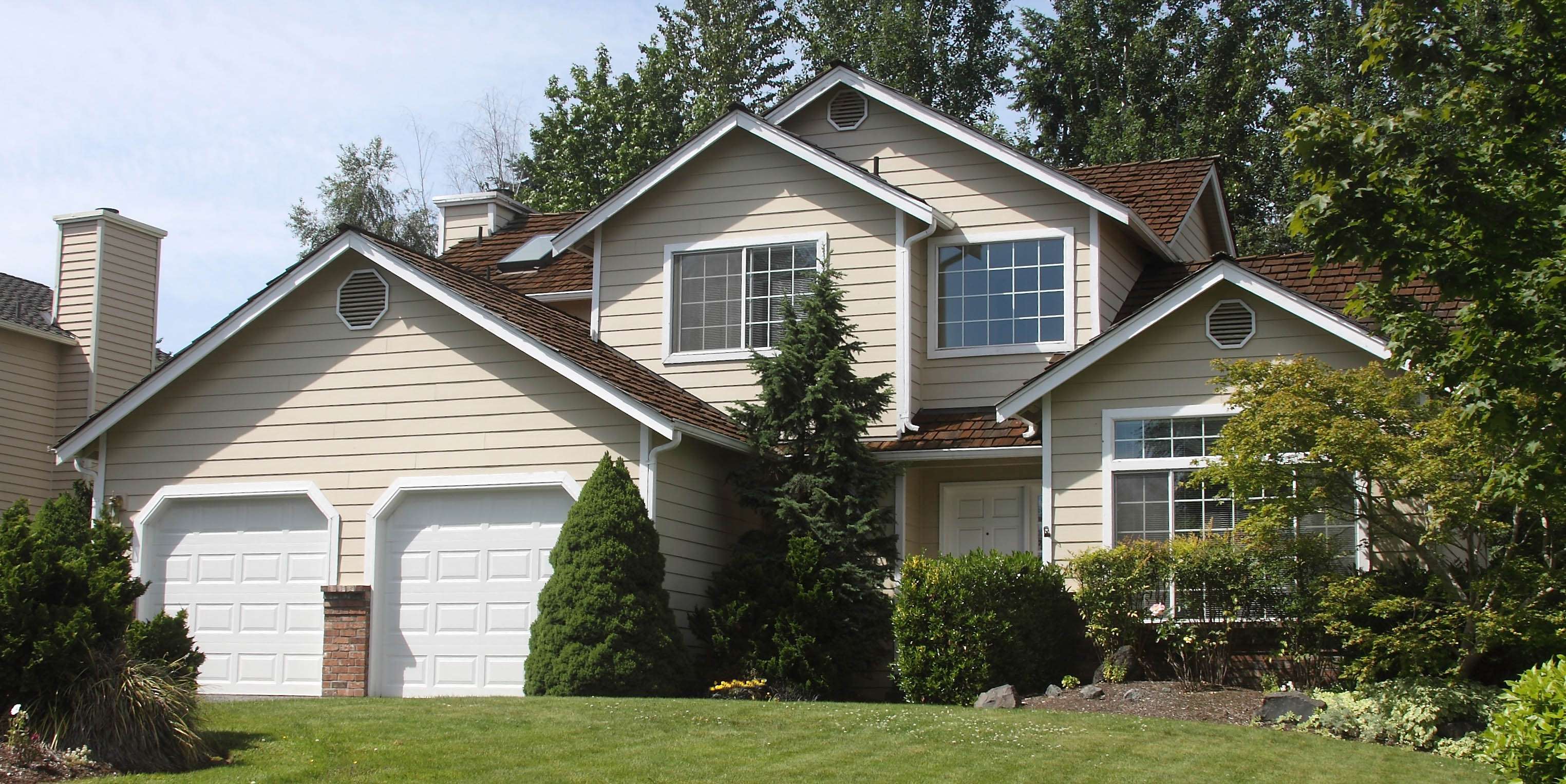
So you just bought your first home and now you’re ready to start upgrading it the way you’ve always dreamed? Not so fast! There are other priorities that you might not have considered yet.
This is where the advantage of working with an experienced REALTOR® comes into play. Your REALTOR® should be able to help you determine what’s in good condition and what needs to be upgraded ASAP, especially if you chose to waive the home inspection to make your offer more appealing to a seller.
While it’s less exciting to spend money on replacing a furnace or roof than modernizing an out-of-date bathroom or kitchen, it’s critical to do so to protect your investment. Regular maintenance can also help lower heating and cooling bills and pare down other costs. It’s important not to put off repairs that may become more expensive if ignored.
You may already have experience fixing up a house, but if this is your first home, it’s best to hire a professional to get it done right. Your REALTOR® likely has a list of trusted professionals who can help.
Inspect the roof
Unless it’s a simple case of a few missing shingles, a home’s roof can become an expensive repair if it’s old or badly damaged. Buyers should ask sellers the age of the roof and how it was constructed. A roof that’s installed correctly should also have a good underlayment over solid wood decking underneath.
Flashing, the plumbing stack, chimneys and skylights should also be inspected before purchase because rain, animals and debris can find their way into any openings. It’s useful to have an annual roof inspection to check for storm damage you can’t see from the ground, but you can perform your own visual inspection by noting curled or missing shingles.
Keep the rain off
During heavy storms, homes without good eavestroughs (or gutters) and downspouts may have problems with interior leaks and standing water in the yard. A home’s eavestroughs should be pitched away from the house and be wide enough to carry water without leaves getting clogged. Downspouts should extend 5 feet from the home’s foundation so water won’t pool around the home and leak inside.
Eavestroughs should be cleared annually or semi-annually. An expert should periodically check the wood fascia boards behind them, which can rot over time. Installing a drip edge to the roof’s plywood decking (under the shingles) to keep water from getting behind the eavestrough helps too. In addition, the landscape should be regraded if the yard has settled and slants down toward the house.
Stabilize the foundation
Cracks in a foundation require prompt attention so they don’t spread and cause more severe problems. Cracks develop for all sorts of reasons, from climate fluctuations to age to property grade.
A structural engineer should be hired to do an assessment and help develop a solution, such as waterproofing a basement and foundation down to the footings, adding reinforcement, or installing a sump pump and battery backup system to remove future water ingress. Telltale signs of a wet basement may be stains or efflorescence (white salt deposits) on concrete walls or floors, or bad odours caused by mould.
Tighten the envelope
Homes that are not well sealed allow warm air to escape in winter and cool air in summer. It also makes it easier for bugs and rodents to find their way inside. Contact a service organization that can conduct an EnerGuide evaluation that can provide expert recommendations, an official efficiency rating, and a clear roadmap for cost-saving upgrades.
Insulating a space doesn’t have to be expensive, and there are rebates available for homeowners if they upgrade their insulation to today’s standards. For more info about rebates, and to find an EnerGuide service organization near you, visit www.efficiencymb.ca
Update the lighting
Old incandescent lightbulbs increase energy costs and have a short life span. LEDs are an easy, affordable upgrade that require far fewer changes and are much more efficient. Choose LEDs with a 2,600 to 3,000 K (kelvin) measurement that produces a warm colour, similar to 60-watt incandescent. Because LED bulbs come in a wide variety of colour temperatures, it’s a good idea to try one to see if it appeals to you before buying enough for the entire house. Avoid compact fluorescent lights, which take time to warm up and can be overly bright, almost like a floodlight.
Add air conditioning
Yes, we have long, cold winters in Manitoba, but we also have very hot summers, and fans aren’t that good at cooling an entire house. Window air conditioning units work, but don’t cool a house efficiently, are noisy, and are less visually appealing. A quality central air conditioning system will not only keep you comfortable wherever you are in the house, but provide a good return on investment at resale.
A split system to lower energy costs is a great option, since each room can be separately controlled. However, the costs are greater than one central system — sometimes 50 percent more — though they will help save money over time. If your home is heated using a hot water boiler system via radiators, the split system is your only option since you don’t have the heating ducts in place that go with a furnace.
Maintain wood surfaces
Wood adds charm to a home, whether through siding, flooring, railings, a porch or a deck. But wood also requires regular maintenance. Boards — even new ones — can rot due to weather and insects.
Another culprit is the type of wood used today. A century ago, the center of trees was used for boards, which made them sturdier than today’s wood planks that are made from the entire tree and its pulp. Old wood was also kiln-dried. That means that today’s wood carries more moisture, and therefore can rot faster. To prevent this, scrape off all peeling paint, or pressure wash the wood to remove any mould, before sealing it well with quality outdoor paint.
Inspect your chimney
A stately chimney adds elegance to an older home, the equivalent of icing on a cake. But if it’s not tended to, moisture can enter, along with animals and other debris. If you have a fireplace, whether in an older home or a newer one, keep it well maintained.
A cap will help, as will regular inspections to pinpoint crumbling mortar and problems with flashings, flue liners and the flue itself. Keeping all parts in good shape will also improve the air quality in your home by allowing smoke to exit more freely and the fuel to burn more efficiently when the fireplace is in use.
If a chimney has significantly deteriorated, you’ll have to decide whether to have it repaired or remove it entirely. The deciding factor may be cost.
Don’t ignore your trees
Trees are a beautiful addition to a property, providing shade in summer and picturesque snow-covered branches in winter. They also add curb appeal and resale value. But they should not be overlooked by homeowners when it comes to their care.
Trees require ongoing maintainance just like houses do. Branches may come down during storms or rub against roof shingles, insects can feast on wood, and spreading roots may clog sewers or damage foundations. You should hire an arborist to examine your site’s trees when you move in and prune damaged or diseased limbs regularly. Diseased trees should be promptly removed to prevent spread to healthy ones.
Buying a home is a significant investment, so ongoing maintenance is a non-negotiable. By getting the important upgrades done right away, you’ll ensure many years of happiness in your forever home.