


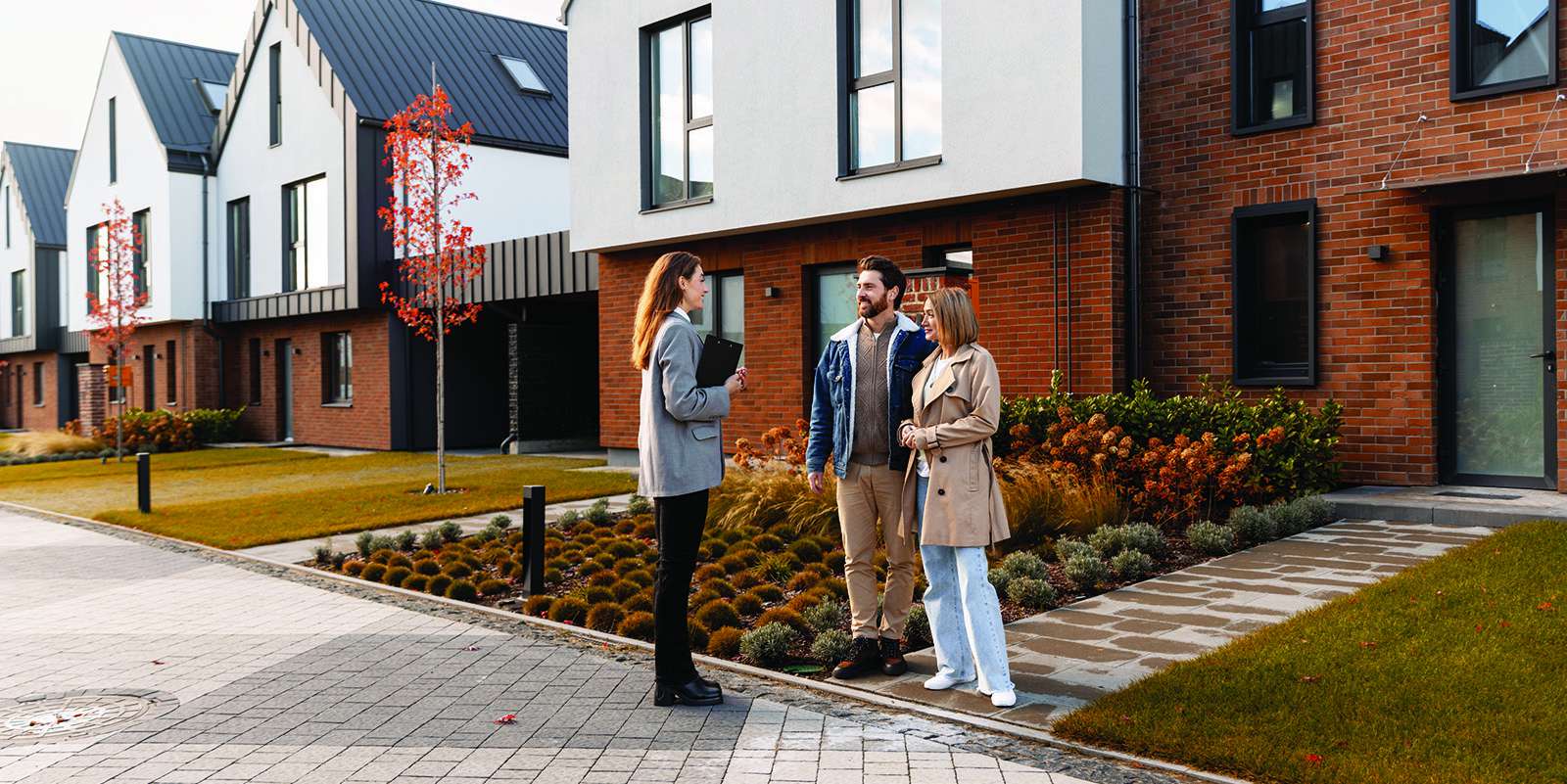
With Earth Hour just passed and Earth Day coming up, awareness about climate change and environmental sustainability is on the rise in Canada, and so too is the demand for green homes.
A recent Abacus Data report states that close to 60% of Canadian home buyers consider purchasing an energy-efficient home as an important factor in their decision-making. Here’s what buyers and sellers need to know.
What makes a home a ‘green home’?
Buildings are considered to be “green” if they prioritize energy efficiency, sustainability, durability, and promote a healthy indoor environment. Because green homes use less energy and water than traditional homes, they tend to leave lighter footprints on the environment, helping to conserve natural resources while reducing greenhouse gas emissions.
Most green homes across Canada will have high-quality insulation, energy-saving appliances, renewable energy systems, and water-saving fixtures. New builds using sustainable, non-toxic materials, and sustainable building practices help cut down on construction waste and pollution.
What are the benefits of owning a green home?
Green homes are good for homeowners as well as the planet. Health advantages include superior air quality thanks to proper ventilation, using low-volatile organic compound (low-VOC) paints, and high-tech air filtration (HVAC) systems that decrease indoor pollutants and mold hazards — all of which can help prevent respiratory issues and allergies.
There’s also the component of consistent and appropriate temperatures in a green home. According to the International Energy Agency, chronic thermal discomfort can have negative impacts on mental health, leading to anxiety, stress and depression. With improved insulation and windows, green homes can eliminate drafts and dampness, leading to mental health improvements.
Financially, green homes may also offer cost savings over time, such as lower utility bills and a reduced need for maintenance thanks to durable materials. Depending on your home and the green upgrades made, you could save up to 40% on your heating costs alone. Plus, energy-efficient homes are more attractive to potential buyers looking to reduce their carbon footprints — this can increase a property’s value and resale potential.
According to RND Construction, an award-winning greenbuilder in Ottawa, Ontario, green homes are also generally more durable due to the natural materials and extra considerations taken when building them. Plus, the additional insulation and better-quality windows reduces exterior noise from entering your home. There are many green home builders in Manitoba. For more information, visit sustainablebuildingmanitoba.ca or builtgreencanada.ca To find a Qualified Canadian Home Builders’ Association Net Zero builder in Manitoba, visit www.chba.ca
What expertise can your REALTOR® offer?
Climate change is reshaping the real estate industry, influencing home buyer priorities and the overall market landscape, says Danielle Paquette, Director of Learning and Development at the Canadian Real Estate Association (CREA).
“We’re seeing more and more extreme weather events, and rising energy costs are driving the demand for more sustainable, resilient, and high-performance homes. We felt it was important that REALTORS® be prepared to navigate these shifts,” says Paquette.
That’s why CREA has created a new program for REALTORS® (launched on Earth Day 2025) called the Canadian Certified Green Representative Certification (CCGR). REALTORS® who complete this training can offer expert guidance to clients seeking energy-efficient properties, renewable energy solutions, and climate resilient investments, adds Paquette.
“The certificate provides REALTORS® with the knowledge and tools they need to understand the benefits of high-performance homes, home electrification and sustainable environmental practices to better serve their clients — which we feel will position them as trusted advisors in an industry that’s shifting towards sustainability,” she explains.
More than seventy-five REALTORS® from Nova Scotia and Prince Edward Island completed the training in November 2024 as a pilot project to gather feedback. The Canadian-specific six-hour program, which consists of four modules, was designed by a team of sustainability and real estate experts in collaboration with CREA so participants learn a wide variety of information, says Hannah English, Learning and Development Specialist at CREA.
“The content is geared towards helping REALTORS® understand the benefits of things like heat pumps and how these heating and cooling systems make a home cooler in summer and warmer in the winter, along with their selling points and how they might increase the current or resale value,” explains English.
How does working with a REALTOR® with the CCGR Certification benefit buyers and sellers?
A REALTOR®’s expert guidance can certainly prove to be invaluable when buying or selling a property, but clients can get an extra boost with one that obtains a specialized certification like CREA’s new green one, notes Paquette. Upon completing the Canadian Certified Green Representative Certification, REALTORS® will be entitled to use the CCGR credential and badge, which can be added to their signature and social media profiles so clients can quickly recognize professionals who have the certification.
“A REALTOR® with this knowledge can better support their clients’ needs. They’ll contribute to a more resilient and energy-efficient housing market and make the buying experience a lot more informative, so clients have more confidence moving forward with the information provided to them,” adds Paquette.
REALTORS® also receive resource guides with statistics and other tips when they finish the training, and they can share important information with clients, English adds.
As green home building and retrofitting becomes more popular, you can count on your REALTOR® to provide the latest information about sustainability so you can make the right real estate decisions for you.
— REALTOR.ca