


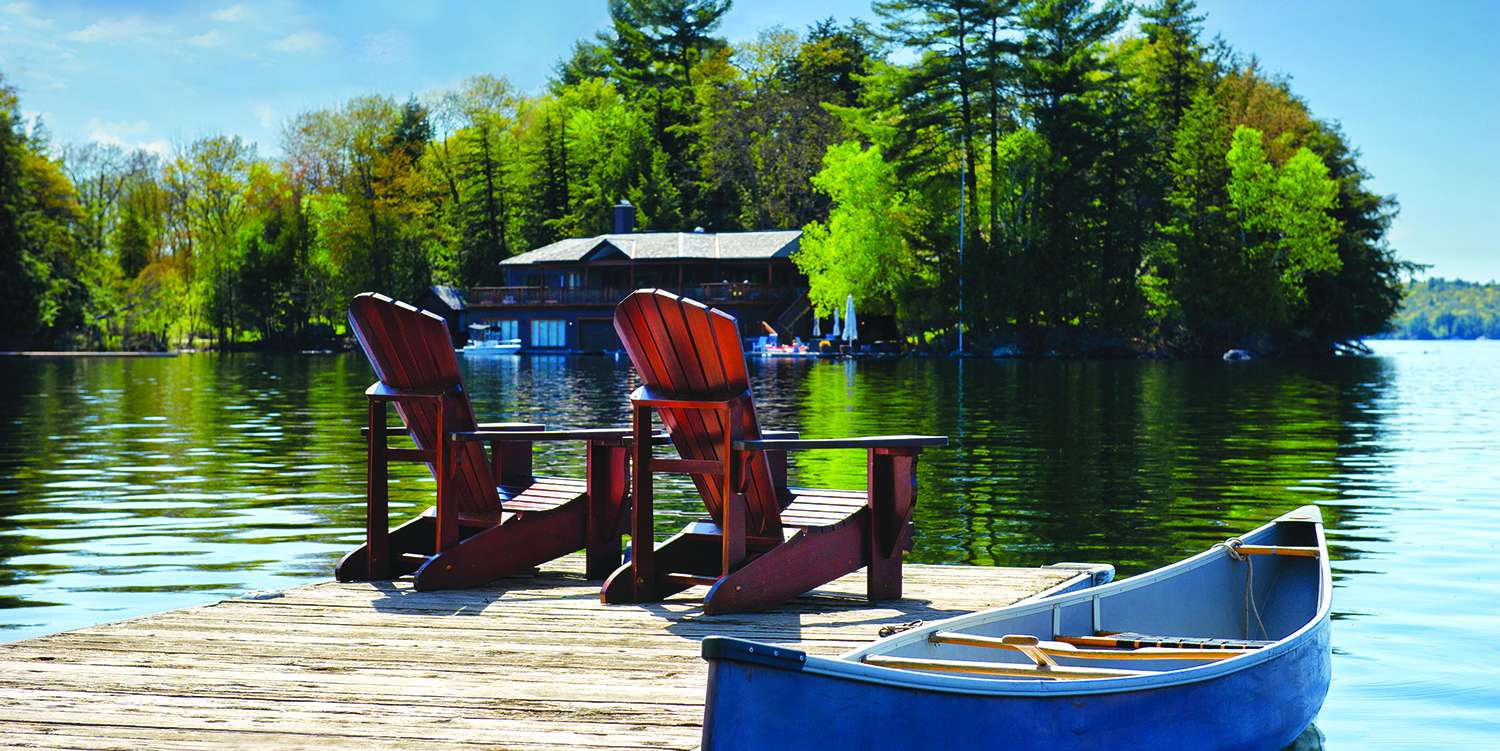
Summer is on the way, and nothing makes that more evident than opening up your cottage for the season. For many, the “May” long weekend (Victoria Day) is the perfect time to do just that.
If you’re fortunate enough to own a cottage, now’s the time to make sure you’re ready before the season gets into full swing so you can maximize your fun and minimize your to-do list later on. If you don’t own a cottage, but are considering buying one to call your “home away from home”, contacting a REALTOR® is the first step you should take.
Make sure everything works
Ready to get started? Here are some great tips to help you prepare for the season.
1. Get any licenses you need
Are your kids old enough to learn to drive the family boat? Do you want to take up fishing or hunting this year? Look into the licenses and permits you’ll need for your plans and take steps to get them now, before the rush later on. You can get licenses and permits online at manitobaelicensing.ca, or in person at any authorized retailer. When insuring your boat, remember that both the person driving the boat (Pleasure Craft Operator Card or PCOC) as well as the boat itself (Pleasure Craft License or PCL) require licenses. Fines are steep, so never skip these steps!
2. Check your insurance coverage
If your cottage is prone to animal issues, there are insurance policies that can protect you from that. Insurance companies provide coverage specifically for cottages to cover damage specific to cottage country. While you’re at it, let your broker know about any watercraft or other recreational vehicles you have at the cottage to ensure they’re properly covered as well. You can often add the cottage as a secondary property to an existing home insurance policy, or purchase a stand-alone policy. Your insurer will need to know if you’re renting out your cottage, or if it becomes your primary residence.
3. Make a packing list
There’s always something to do at the family cottage, so think about the project you put off last season and anything that might need replacing. Think new linens, some paint to put a fresh coat on the exteriors, caulking around the windows and doors, and spare laptop and cellphone chargers you can leave there. Be sure to include emergency supplies like flashlights and batteries in the event of a power loss due to a storm or bad weather.
4. Inspect it regularly
There are a variety of issues that can come up during the off-season, so stop by if you can to make sure everything is okay before the official opening day to avoid any big surprises. If you think you may be away from your cottage for extended periods of time, you might want to consider having a local caretaker, handyman or neighbour check on the property for you year-round. Even if your cottage is only 3-season, there are plenty of people who live at their 4-season cottages all year long.
5. Inspect your equipment
Cottages nowadays come fully equipped. If you had a boat, canoe or other watercraft sitting all winter, you’ll need to inspect them to make sure they’re in good working order before taking them out on the open water. Make sure you have all the necessary safety equipment as well, such as flares and especially lifejackets or personal flotation devices (PFDs). With May 16-22 being Safe Boating Awareness Week, there’s no excuse not to brush up on boating basics.
6. Inspect everything else
If you have a hot tub or sauna, you’ll want to check to make sure they survived the winter months and still work. This goes for any play structures, pergolas, decks, covered porches or garages that you have on the property. If you’re lucky to have a waterfront location, boat houses and any docks that go with them should also be closely inspected. If you have stairs leading down to a deck or the water, check for any heaving, loose or missing steps.
7. Prevent water damage
Water damage is a common and costly issue that cottagers need to watch for – heavy rainfalls can cause flooding and pipes can freeze and burst in the winter. Ensure that your drainage from the cottage is open, and clean out your eavestroughs and downspouts every spring and fall — or after a major storm — just like you do at your full-time residence.
Additional tips for electrical systems
How often do you check out your electrical systems, beyond flicking on a switch and expecting the lights to come on? There are additional items to check out when you arrive to ensure your electrical system will operate safely. You can start by looking for damage to the power lines leading to your cottage. If you see a downed or sagging line, stay clear and contact Manitoba Hydro immediately. Do the same inspection for the trees on your property. Do they appear to be too close to the power lines? Are there dead branches that need to be trimmed to prevent them from falling on your cottage or people? For your safety, contact a qualified arborist to trim them.
Before turning on the power at the main switch:
• Check all wiring that runs exterior equipment (such as water pumps) to be sure it’s intact. If it’s damaged, remove the associated fuse or turn off the circuitbreaker and contact a licensed electrician.
• Ensure all appliances and electrical devices are unplugged or switched off. Clear any debris from the stovetop elements and baseboard heaters before using them.
• Fill the hot water tank and check for leaks. Make sure it’s working and heats your water!
• Check all appliances and other electrical cords for signs of wear, cracking or rodent damage.
• Check the chimney and clear any debris such as bird’s nests or leaves. If you have a fireplace, get a professional to inspect and clean it. If it’s damaged, get it fixed before using it.
• Ensure all branch circuits are in the “off” position in your electrical panel. After you turn on the main switch, turn them on one at a time to avoid surges that can damage your appliances or electronics. If you have a fuse box, plug in or switch on appliances and electrical devices one at a time.
• If using an extension cord to bring power to your deck, dock or backyard, make sure it is designed specifically for outdoor use. Remember that extension cords are manufactured for temporary use only, so contact an electrician for a permanent solution.
Visit hydro.mb.ca/safety for more information on what you can do to keep your property safe.
By following these tips, you should breeze into cottage season and be sitting on the dock enjoying a cool bevvie in no time!