

by JEREMY DAVIS
When you visit a new city — whether for business, vacation, or family — there’s one place you’re almost guaranteed to go: downtown. It’s the heart of the city, where first impressions are made and lasting ones are formed. While cities extend far beyond their cores, downtown is where culture, commerce, and character collide. Today, many downtowns are evolving into dynamic, mixed-use districts — blending sports, arts, dining, entertainment, and residential life into vibrant, 24/7 communities.
In Winnipeg, that evolution is gaining real momentum. A downtown renaissance is underway, fueled by significant public and private investment and a growing sense of optimism.
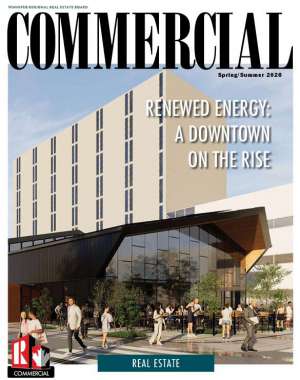
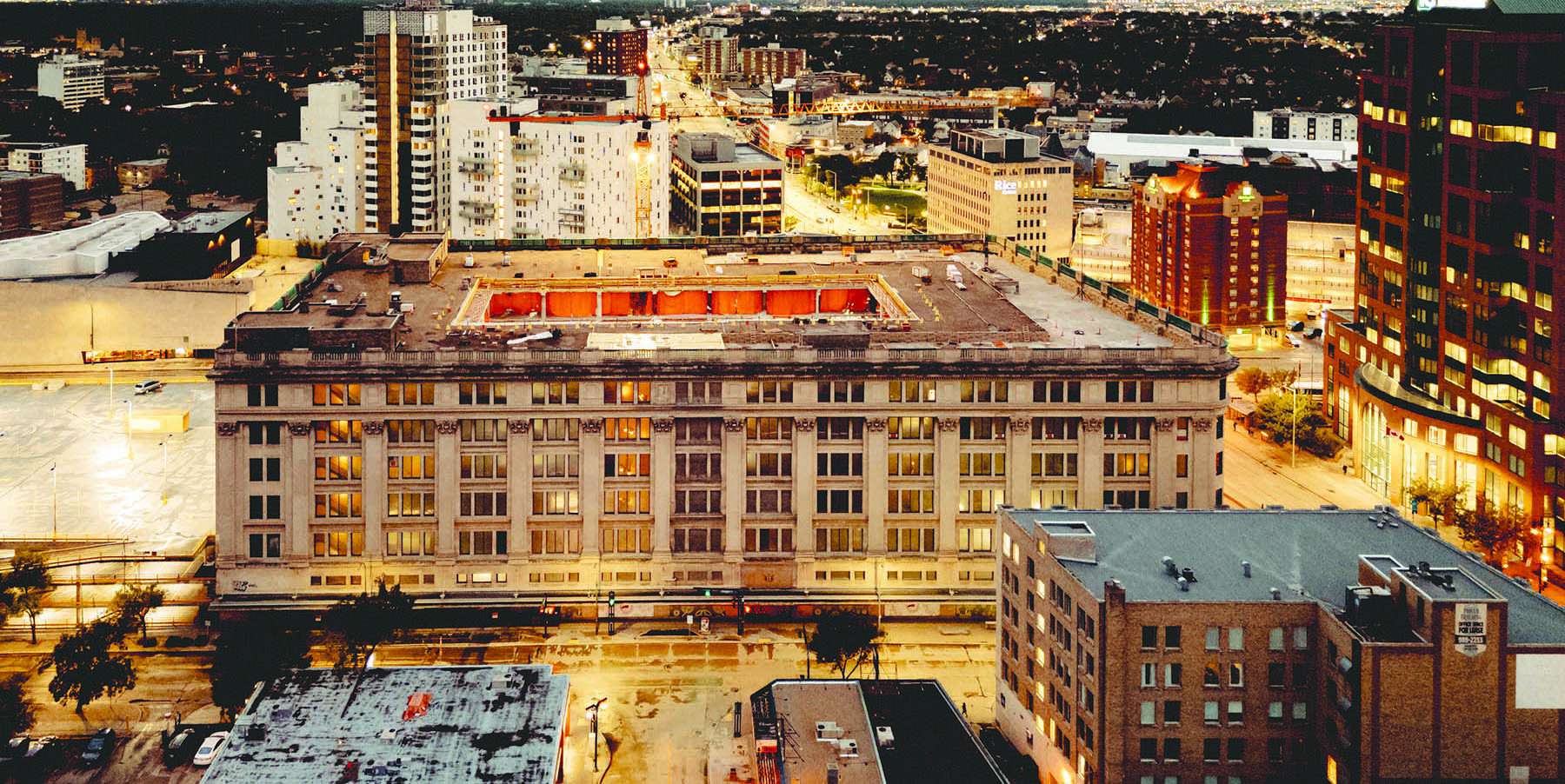
Amidst positive development underway with construction on the Market Lands project, Railside at The Forks, the redevelopment of Portage Place and Hudson’s Bay buildings, along with the existing True North Square and Canada Life Centre, mixed use development at 300 Main and a host of housing projects recently announced by CentreVenture, there is a lot to be excited about.
To truly gain a sense of the transformation underway downtown, we sought out the perspectives of some champions of Downtown Winnipeg to gain insights behind this momentum, what they’re most excited about and how to keep things moving in the right direction.
Rochelle Squires, CEO of CentreVenture, expressed excitement in the sheer number of mixed-use developments currently underway where each can become a neighbourhood hub that will spur on retail, restaurants, and other public amenities.
CentreVenture is an arms-length agency of the City of Winnipeg whose role is to lead the planning, development, coordination and implementation of projects in the downtown.
Fresh off the launch of CentreVenture’s Strategic Plan which aims to double downtown Winnipeg’s population by 2050, Squires spoke glowingly about five recently announced heritage conversion projects, which includes the redevelopment of the Marlborough Hotel. In total, these five projects will bring more than 600 new units of housing.
When asked about what project could have a catalyzing impact, Squires highlighted a few projects like the Portage Place redevelopment, the Hudson’s Bay redevelopment, and the opening of Portage and Main, as all having positive influences on their immediate surroundings. She believed that the Market Lands development will have the greatest impact on a larger area, one that has the potential to bring the entire downtown together.
“The Market Lands project will be transformational for Downtown Winnipeg. It will change the center of gravity in that area and create a wonderful neighbourhood with close to 400 units of housing, along with a food hub, creative hub, and childcare that will change the dynamic of that neighbourhood,” said Squires.
When asked about what can help keep the momentum downtown strong, Squires said “We have to advance the narrative that Downtown Winnipeg is a neighbourhood, not just a commerce, cultural or entertainment hub. Ensure that people see it as a vibrant community, that’s equally attractive on a 24/7 basis as with other neighbourhoods across the city. It’s a dynamic shift that’s gaining momentum because there are so many champions of the downtown and everyone is committed to doing their part.”
This was a viewpoint shared by Kate Fenske, CEO of Downtown Winnipeg BIZ, who added “I’m seeing more collaboration and coordination between government, private sector, non-profit and community organizations now than I have at any other point in my seven years in this role. I think organizations view that as important right now to ensure we’re aligned on the vision for downtown, and using our unique roles in delivering on that vision.”
The Downtown Winnipeg BIZ promotes, cares and advocates for a vibrant and inclusive downtown where businesses thrive, and people are drawn to work, live, invest and explore. Through a variety of events and programming, and maintaining clean and attractive public spaces, the BIZ is focused on creating a downtown that drives prosperity, invites belonging and feels alive all year round.
As a strong advocate for downtown, Fenske has been at the forefront of collaborative efforts between government and safety partners to strengthen visible presence in the community, support for businesses, and improve the overall experience downtown.
“Currently, there are 3,000 residential units under construction or being planned. This is the most significant investment we’ve seen in decades. It is really exciting but we’re not going to see the results right away so we’re really focused on what’s needed in the immediate term to ensure people want to come downtown, feel safe, and have a great overall experience. It’s about focusing on basic things like what the walk is like from one point downtown to another, how the streetscaping impacts the experience, and making sure its free from litter. Those are basic goals that are a lot more complicated to accomplish than they may seem but have a big impact,” Fenske said.
When asked about why it is important for all residents to have a successful downtown, Fenske described it from an economic perspective. “Aside from the impact on tourism, downtown is the neighbourhood that generates the highest percentage of business and commercial taxes, which means it’s supporting the City’s taxbase to a higher extent than other areas of the city. So, in real terms, a successful downtown directly helps all residents,” said Fenske.
This same question was posed to Hazel Borys, the City of Winnipeg’s Director of Planning, Property and Development, and she responded similarly: “A great way to answer that is a reference to Complete Communities 2.0 as it says downtown Winnipeg is the heart of our city and our window to the world. I truly believe that the image of our downtown is how we market our city to tourists and to those who are interested in pursuing business opportunities here. But it’s also important to Winnipeg residents. It’s a place to come for work, entertainment and all sorts of other activities. It’s also the economic engine of our city and, perhaps the province, as it’s where most business is conducted and where the City generates the most tax revenue, per capita and per acre compared with anywhere else, in any other area of Winnipeg.”
The City will help lead the positive momentum downtown by “…reinforcing the commercial character of our streets such as with the Graham Avenue Retail Retention and Recruitment Strategy. Parks and street enhancements are also underway to make our downtown more attractive and regulatory changes are continuing to make more development, more predictable and streamlined. We’ve already eliminated the public hearing process and lengthy decision-making from 99% of downtown development. More changes associated with the zoning bylaw rewrite will be in motion soon. These changes will increase clarity around development, expectations and permit approvals,” said Borys.
Borys concluded our conversation by encouraging Winnipeggers to “…join a walking tour, take in a show, check out the long list of activities and events that are happening year-round. We can talk about all these positive changes that are happening, but nothing really compares to seeing it firsthand.”
What’s emerging downtown isn’t just development — it’s a shift toward a true neighbourhood. The tide is turning. The investment is there. The collaboration is there. If this momentum holds, Downtown Winnipeg won’t just recover — it will redefine itself. After speaking with Squires, Fenske and Borys, it is difficult not to feel the same sense of enthusiasm and anticipation for Downtown Winnipeg’s next chapter.
“There’s a renewed energy and we want to keep building on that,” said Borys.